Insight Marketing Blog
Emergency Marketing
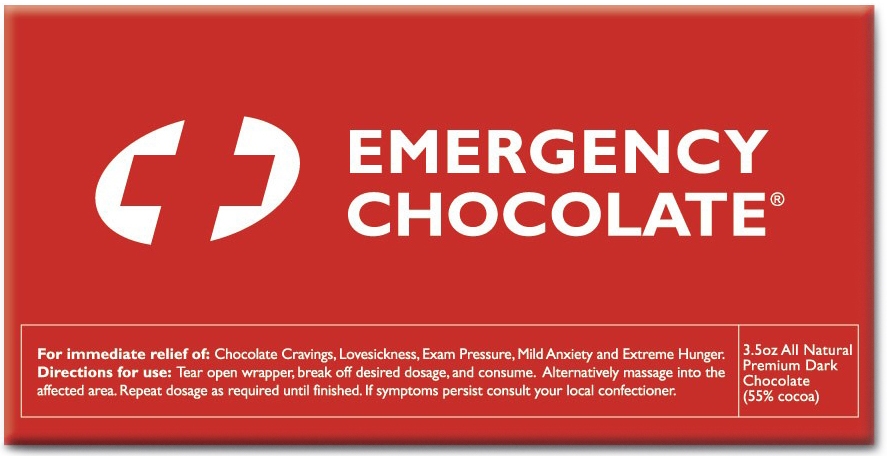
Here is a clever product that bypasses brand loyalty and targets the impulse buyer. Just put near the cash register and watch out when a chocoholic spots it - there is no resisting. "I want chocolate, and I want it now!"
There seems to be an epidemic of marketing emergencies.
I recently got a call from new client with a marketing emergency. They hired a new sales team, but didn’t have any sales support materials for them – no brochures, no product data information, no nothing.
And guess what else they don’t have – no marketing plan. They had no specifics on what they want their marketing to achieve – only the ambiguous notion to sell more.
Without a marketing plan, we didn’t know who their target audience was, or the reasons they buy. We also didn’t know the key benefits the company provided, or what made them different from their competitors.
So what did we do? We guessed! We guessed what the benefits the company provides. We guessed why customers buy from this company. I hope we guessed right or a few months from now, there is going to be another marketing emergency.
Guessing in marketing inevitably leads to mistakes – costing you time, money and momentum!
A few wrong guesses and this company will have wasted a lot of money—much more than the cost of developing a strategic marketing plan that could have mapped out an effective long-term strategic and tactical direction to provide more stability in their marketing efforts, with a lot less stress. This would cut down dramatically on costly and ineffective marketing emergencies.
Seth Godin, the renowned business author and blogger, once said, “Marketing is not an emergency. It’s a planned, thoughtful exercise that started a long time ago and doesn’t end until you’re done.”
Some people seem to thrive on creating stressful work environments and juggling multiple emergencies at once. There’s an adrenaline high in this kind of business management. However, this is like playing Russian roulette–one day, the bullet is going to be in the chamber when you pull the trigger… I wonder if they consider being unemployed as less stressful?
Continue reading →
More Ways to Grow Your Newsletter Email Lists
We received more suggestions on ways to increase your email subscriber lists, so here they are:
- Practical, useful, original content. You will never collect email addresses just because you provide a newsletter “free of charge.” You must first provide content that the reader deems worthy to click, stay, and subscribe. Providing unique and valuable information first and foremost is the most important way in growing your email list.
- Make it easy. Add a subscription form to multiple pages of your website where it is appropriate to do so, place it in a prominent position on the page and identified clearly.
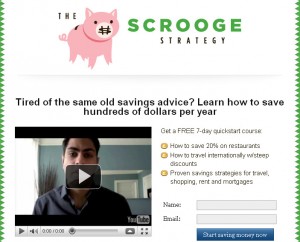
Here is an example of a squeeze page. Notice the prominent sign-up form and video testimonial.
- Ask for just the basics. Request minimal information – for most newsletters, a first name and email address will suffice. The more information you request, the less likely your web visitor will subscribe to your newsletter.
- Provide a sample newsletter. Offer subscribers the ability to view your newsletter before they sign up. Those that like what they read will sign-up. Those that don’t would most likely unsubscribe from your email list anyway.
- Give away an opt-in bonuses. Create an opt-in bonus in return for subscribing. An ebook or PDF report, webinar, podcast, or downloadable or web-based software are great ways to entice new subscribers, and builds credibility as well.
- Include “Sign Up” button. Use a button or link within your newsletter providing a text link to your subscription page. If readers forward newsletters to others, or share online, the “sign-up” button or link will give others an immediate manner to opt-in.
- Testimonials. Put testimonials on your squeeze page and/or your email sign-up forms in your website. Video is very compelling medium for testimonials. If possible testimonials should include full names, locations and/or links to establish credibility.
- Have a Privacy Policy. Let readers know without a doubt you will never share their contact information. Have a Privacy Policy page on your web page, and provide a link to it below every opt-in form.
- Create a squeeze page. A squeeze page is a simple page on your website designed solely to capture opt-in emails addresses. Unlike other pages on your website with content and navigation, when a person arrives at your squeeze page, they have only two options: either sign-up or leave.
- Set Expectations. Let subscribers know what they will be receiving: useful information, discounts, offers from third parties, or some combination? How often will they receive emails: daily, weekly, monthly? If possible, let subscribers adjust their own preferences. Letting people know what to expect will increase your opt-in rate.
- Use Social Media. Post links to published newsletters on your Facebook and Twitter pages. Mention upcoming topics for future newsletters to generate additional interest.
- Archive past newsletters. Make it easy for subscribers to access past newsletters and provide the capability to search past newsletters by keywords and topics. A library of newsletters also builds your credibility and positions you as an authority in your particular field.
- Network with publishers. Publishers of other newsletters and/or print articles can provide valuable links, content, and subscribers to your own publication. This is a win-win for both, and will help to build your lists faster.
- Ask readers to share. Word of mouth is viral. If a subscriber finds your newsletter to be informative, ask them to share it with friends and colleagues. This is a great way of get new subscribers.
- Blog consistently. Blogging creates great dialogue with potential customers, and creates nice synergy with email marketing. Be sure to include a newsletter sign-up form on your blog page.
- Comment. Post valuable comments on related blogs. In most cases, comments are posted with a link back to your site. This is an easy way to generate new traffic and subscribers.
- Allow reprints. Websites and publishers actively look for high-quality content. Allow them to reprint yours as long as it’s not modified. With each reprint, your audience and exposure grows leading to new subscribers, traffic and links.
Top 5 Marketing Trends for 2012

For many of us, the cell phone has become an indispensable tool to conduct business, communicate, find information and entertain ourselves.
The year is wrapping up fast, and next year’s marketing trends are quickly taking shape. Some were much-hyped in 2011, but struggled to find their footing as cautious businesses dipped a toe into these new streams. Others, like social media and video, have been building momentum for a while.