Insight Marketing Blog
Can Cable Companies Learn from Apple and the Music Industry?
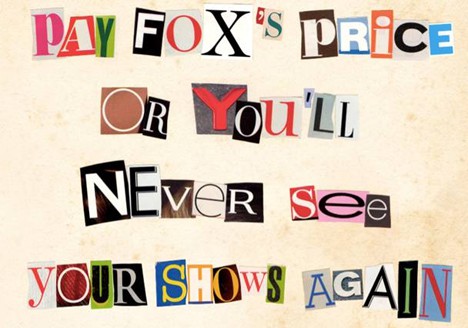 The days of paying a huge monthly cable bill for a pre-packaged bundle of shows you don’t watch may soon be over, and just about everybody realizes it except for the cable companies.
Consumers no longer need to be at the mercy of cable companies, paying for stations and programming they don’t watch. It’s time for cable companies to realize that their business model has been rendered obsolete by a company that is renown for putting the entertainment industry on its head; Apple.
With the iPad, Apple may soon revolutionize how TV is delivered, much like it did with the music industry. Apple is promoting content through its iPad bookstore where publishers can use it as storefront to deliver content. This approach is similar to Amazon’s Kindle, but goes far beyond Kindle’s limited scope as a single use tool for reading. Through the iPad, consumers will not only be able to download books, but also movies and TV programming.
Cable companies are no longer the only source of on-demand content, as in years past. With the advent high-speed wireless delivery, consumers can find the programming they want, when they want it, through a variety of VOD (video on demand) services. The Wall Street Journal reports Hulu, YouTube, iTunes, are just some options consumers are navigating. Netflix is staying abreast of the changing dynamic of content delivery. They changed the video rental business by not adopting a bricks and mortar business model to compete with Blockbuster, which is close to becoming bankrupt, but instead incorporating a low-cost, convenient mail/internet process. Interestingly, Netflix is also moving away from physical delivery of DVDs by mail to streaming movies and video directly to game consoles and devices, bypassing cable boxes entirely. In addition, the video provided includes a depth of content (director interviews, plot analyses, criticism, reviews) not available through cable access.
The issue isn’t content, but delivery. The days of must-buy bundles delivered by cable companies is on the wane. Victim of the new kid on the block iPad, whose flexible, portable, interactive access to broadband web, provides a far richer experience. The Harvard Business Review notes the iPad and a good internet connection is all the consumer needs for their entertainment.
Can the cable companies reinvent their business model and remain relevant to in this dynamic industry? Or are they doomed to go the way of music industry, where fans took advantage to purchase — or steal — one hit single off an otherwise mediocre album. Why buy the whole package when you can get only what you want, when you want it?
Continue reading →Social Media vs Public Relations
Some marketing professionals are saying the traditional role of Public Relations has lost some of luster, overtaken by a more contemporary form of PR – social media. Marketing forums and group discussions from Inc.com to LinkedIn have all been debating this issue But as far as I am concerned, traditional public relations, i.e. press releases, articles, events, etc. will never play a secondary marketing role for most businesses, especially ones that have a brand image that needs to be nurtured and protected.
Social media plays an important role in marketing, but most times it is one that is supporting more traditional marketing and public relations activities.
For example, if a neighborhood restaurant donates a percentage of sales to the local high school marching band, who benefits? Pretty much everyone. The students, the band, the school and the parents, who have to shell out less for the activity. But the hero is the neighborhood restaurant. If they can leverage their generosity with an effective public relations program, it can generate loads of press exposure and tons of goodwill with consumers. Goodwill that can generate ten-fold payback of the actual donation cost.
Could social media pulled this event off as effectively alone? Probably not. Outreach to mass media outlets traditional PR is the marketing tool that does the heavy lifting in generating the kind of media buzz – one that I’ve only seen achievable through PR. Social media can certainly play a role in building awareness to those who are already fans of your business. But most editors and reporters are much too busy to activity monitoring more that a few Social Media channels. They are still looking to their normal PR channels for news worthy items to feature.
Continue reading →Elevator Pitch: The Original Tweet
The elevator pitch is just as important today than ever before. Many people use networking events to drum up business. It’s important to give a clear, confident, qualified elevator pitch at these times, or when you happen to find you’re sharing an elevator with a prospect you’ve been wanting to talk to for weeks. In these impromptu situations, having your elevator pitch on the tip of your tongue is a godsend. Be ready to make your pitch, at any time, face-to-face or tweet-to-tweet, if you’re a social media maven.
Can you pass the one-minute test?
Can you say who you are, what you do, why you’re unique, and what you want in one minute or less? And be compelling enough actually solicit contact from the prospect?
Regardless of what you’re pitching — your own skills, a business venture or a client’s goals — you should be able deliver your message clearly and concisely. Practice your elevator pitch like a fine tuned instrument until you’re able to perform it like a virtuoso.
Like a good tweet, the elevator pitch should be concise, accurate and compelling. If you don’t have your elevator pitch polished, consider revisiting it soon.
Need help creating your elevator pitch?
Check out the Harvard Business School’s Elevator Pitch Builder. It’s an interactive tool that offers excellent good pointers on the why and how of the elevator pitch and will guide you in creating a great one.
Because once the proverbial elevator door begins to close, it’s only your pitch that can make it open once again.
Continue reading →